CASE STUDIES
Case Studies
Learn about industry needs, equipment conditions, and deployment paths through real-world cases.
-
Sulfur recovery units
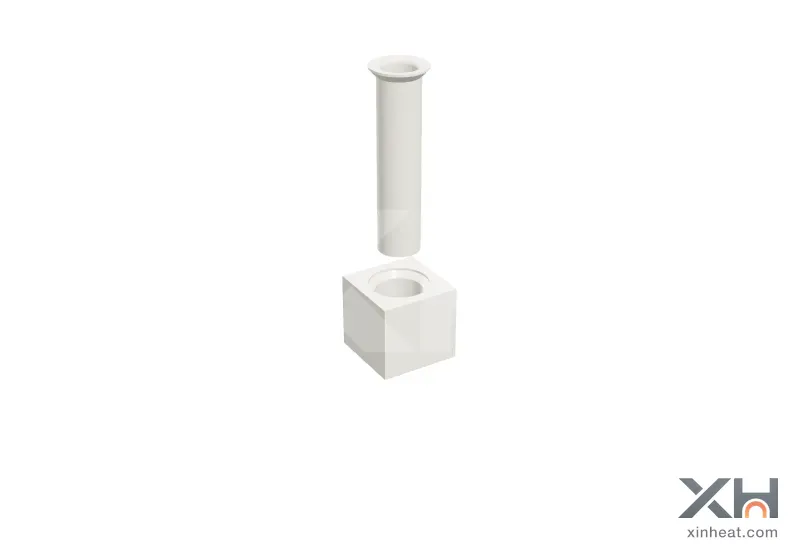
95 Alumina Square Head Ceramic Ferrules
Designed for tubesheet and tube inlet protection in waste heat boilers connected to Claus reaction furnaces and tail gas incinerators in sulfur recovery units (SRUs). The square head covers the hot face of the tubesheet, while the tube extends into the heat exchanger inlet. Together with fiber isolation materials, these components reduce direct exposure to hot process gas.
View case study -
Case Study
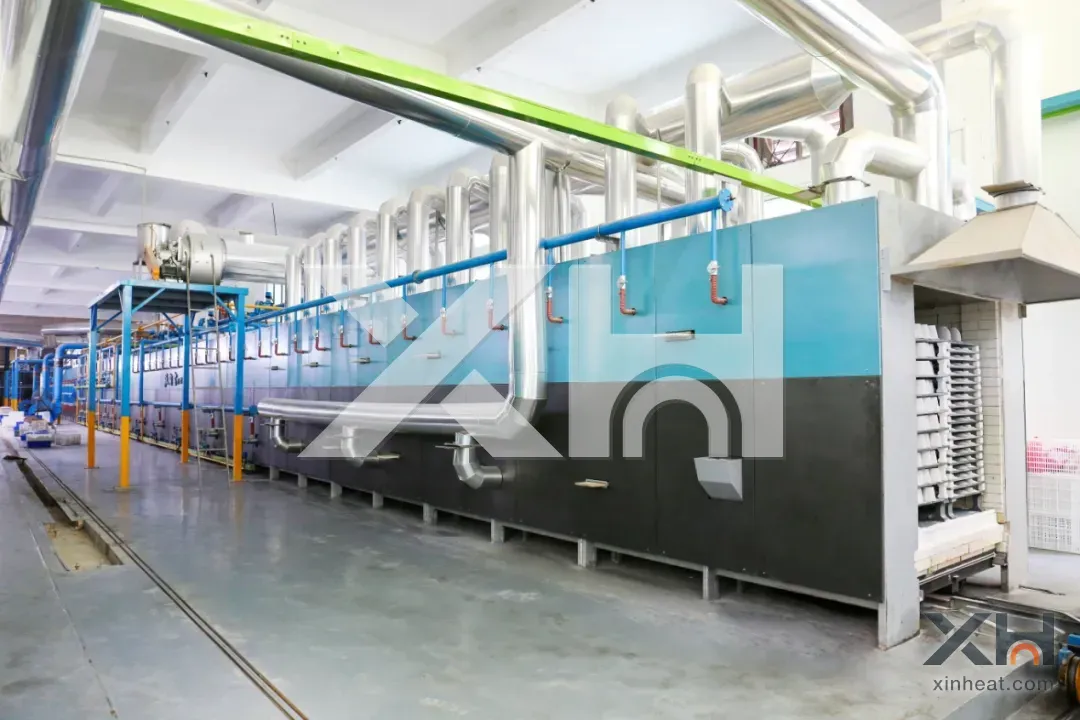
Tunnel Kiln Lining Upgrade
Industrial ceramic tunnel kilns/roller kilns run continuously. Peak firing temperature is commonly around 1260 deg C (varies by product, curve, and soak time). In the cost structure of these kilns, shell heat loss and thermal bridges are a "year-round fixed cost." Once hot spots and leak points form, energy use stays elevated, while temperature drift and defect variability are amplified.
View case study -
Case Study
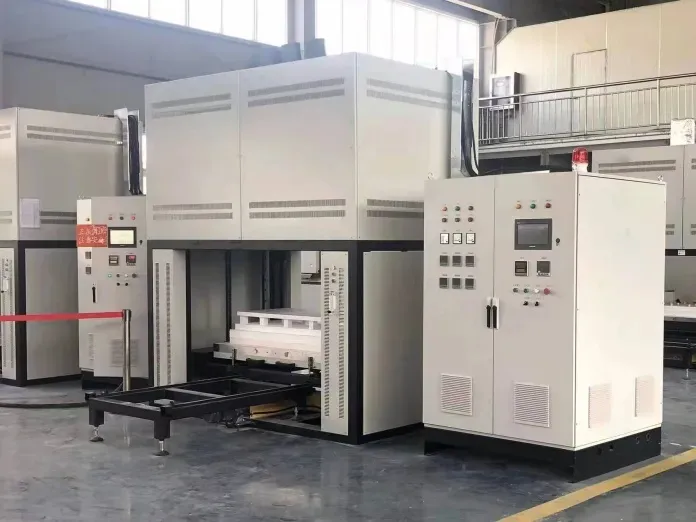
Semiconductor Atmosphere Furnace Lining Upgrade
Lower shell temperature, stabilize temperature field, reduce energy use
View case study -
Case Study
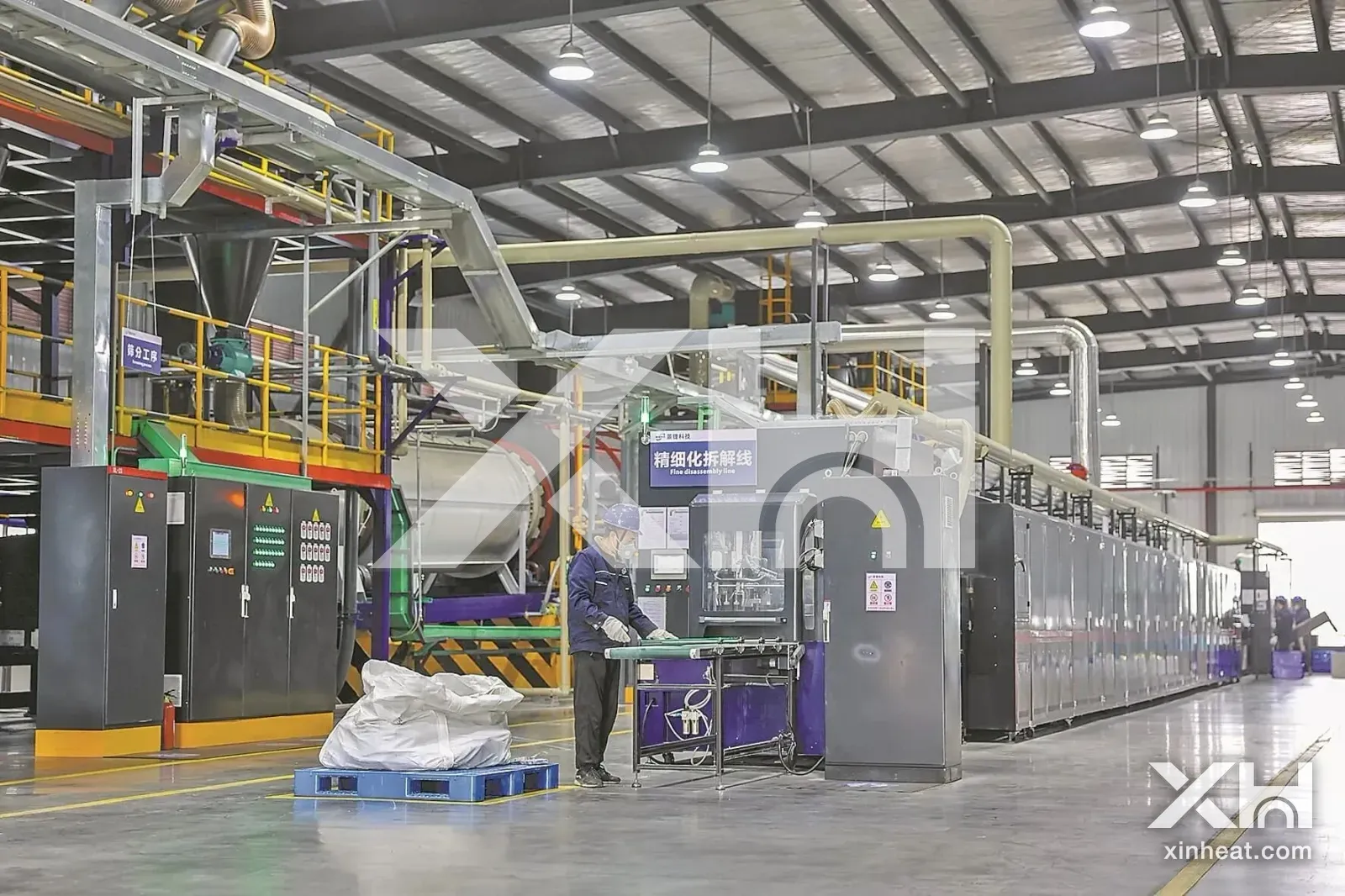
Energy Saving and Temperature-Field Stabilization for Cathode Material Calcination Kilns
These kilns serve the EV supply chain for calcination/sintering of lithium battery cathode materials. Typical service temperatures are around 700-900 deg C, sometimes covering 700-1100 deg C, or running long-term in the 800-1000 deg C range (driven by material system, precursor route, soak time, and atmosphere window).
View case study -
Case Study
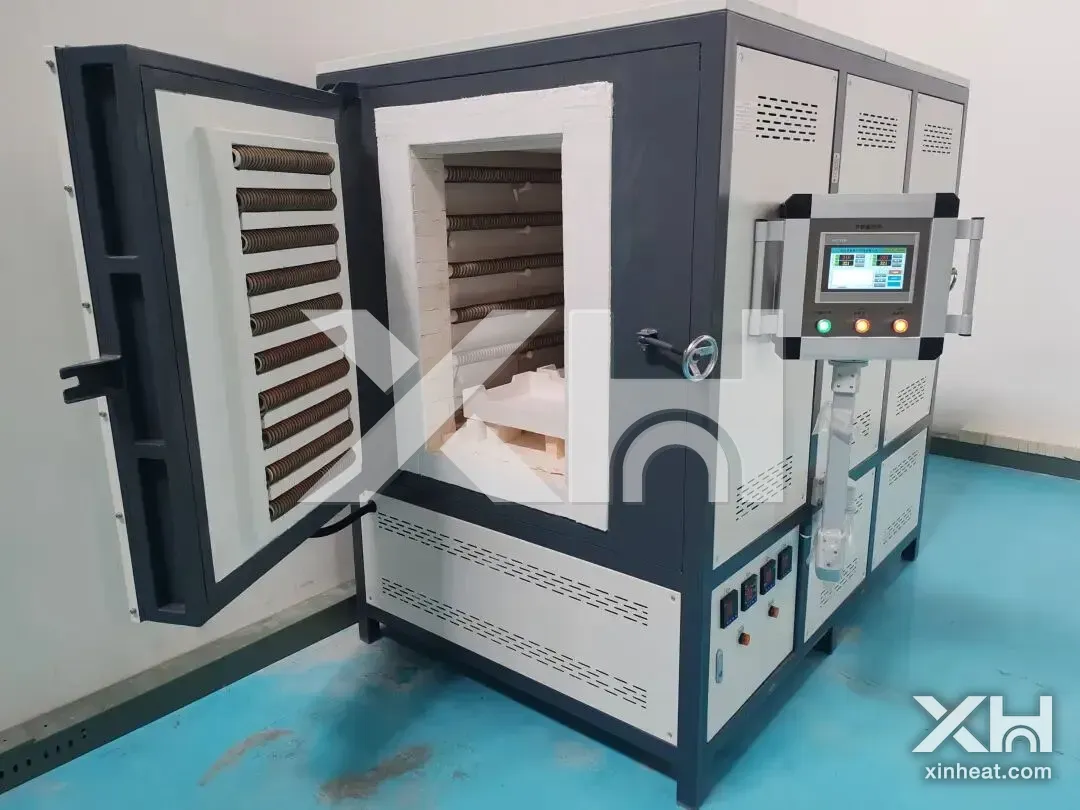
Resistance Furnace Lightweighting
Resistance furnaces/box furnaces/electric heat-treatment furnaces mostly operate in mid-to-high temperature ranges. Modular electric heating systems combined with fiber insulation structures can cover roughly 1350 deg C (depending on heating module system, fiber grade, and structural details).
View case study -
Case Study
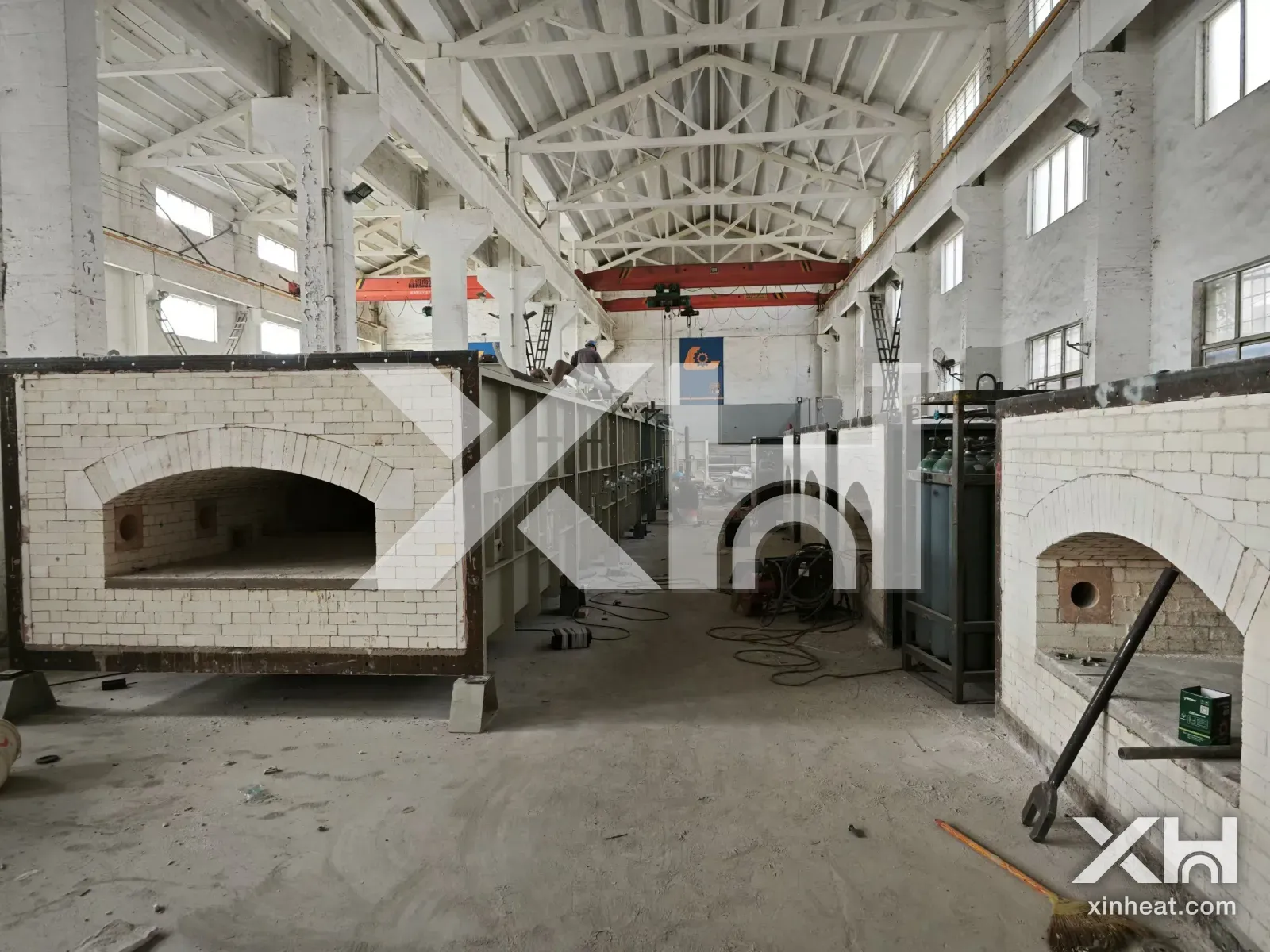
Mullite Applications and Process Optimization
Mullite-based insulating firebrick (mullite-based IFB) in energy-saving retrofits for protective-atmosphere heat-treatment furnaces is both a material method to "reduce wall heat transfer" and a system method to "reduce thermal mass." Using protective-atmosphere heat treatment for coils/long products (batch or continuous) as the typical scenario, this article provides a practical integrated lining material and structure plan, and explains how Xinhui uses computational methods to turn formulation optimization and batch consistency into an engineering workflow.
View case study